Showing posts with label office. Show all posts

Tuesday, 24 October 2017

What’s new in office space designs today?

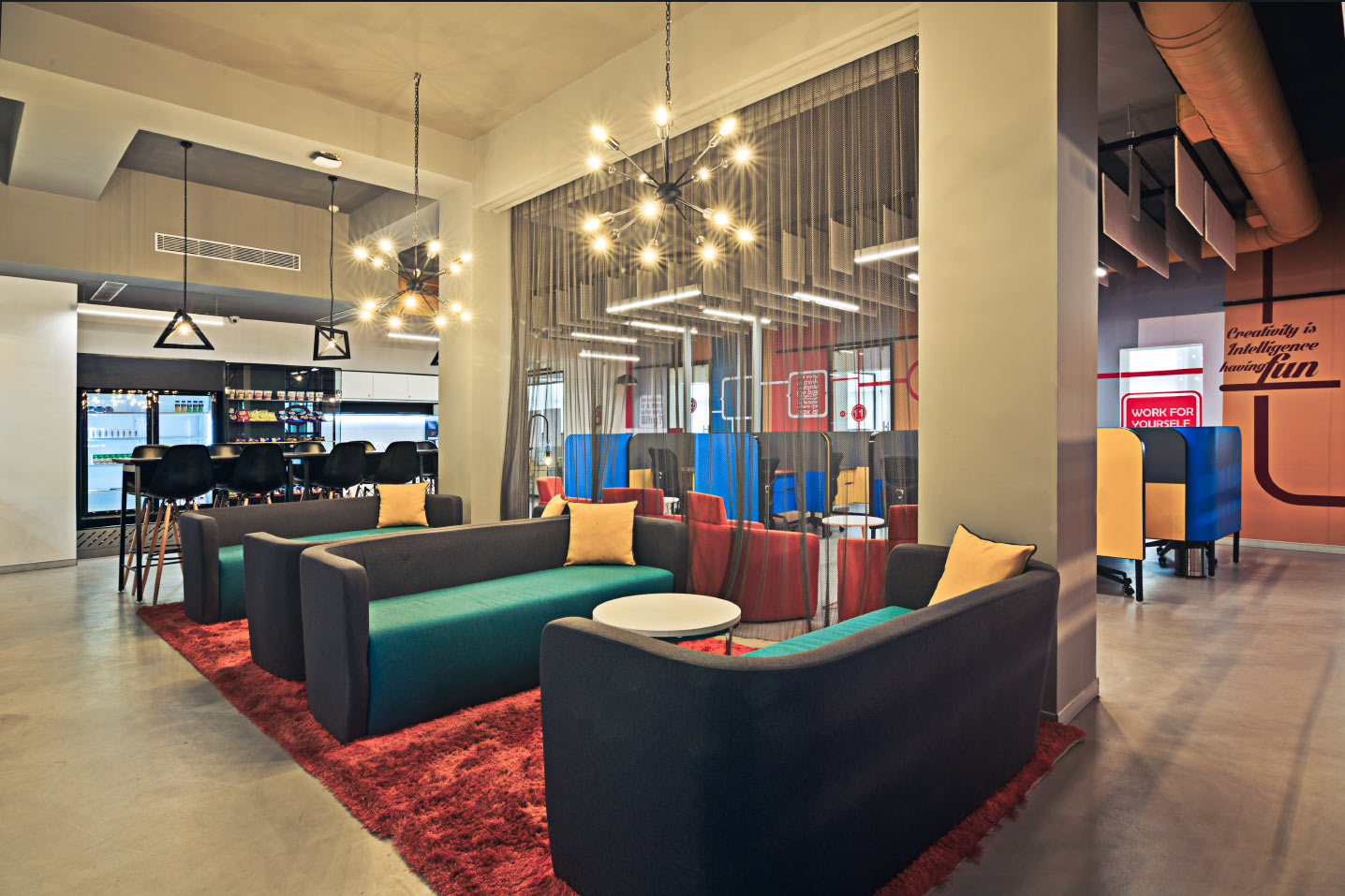
1. Waiting area is not so boring now!!

A collaborative seating zone with eclectic lighting provides a welcome multi-use meeting/ waiting/ discussion space office space 1

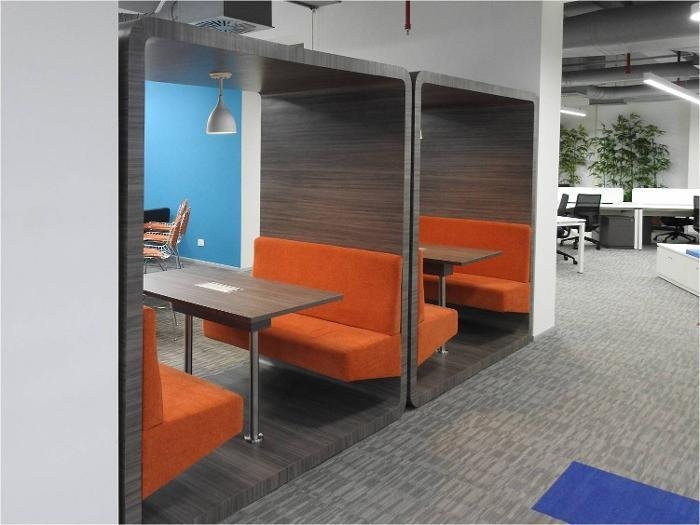
2.  Meeting booths are getting casual

Gone are days when meetings used to be held behind closed doors. Here collaborative zones feature semi-enclosed meeting booths with comfortable sofa seating for a quick one on one or team discussion office space 2

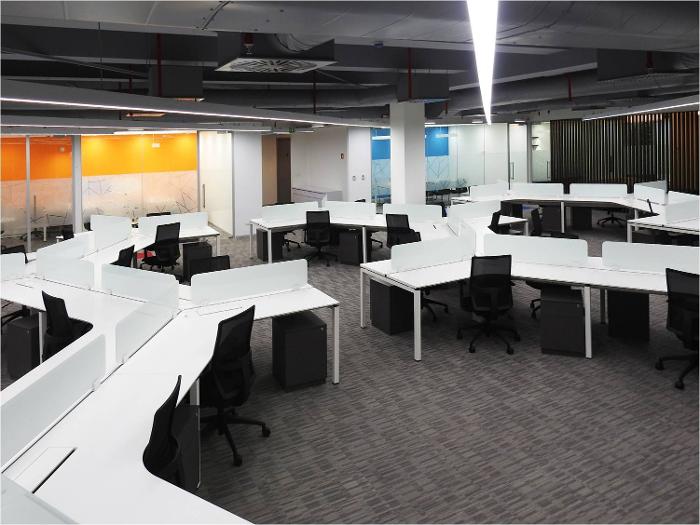
3. Open office environment leads to more productivity

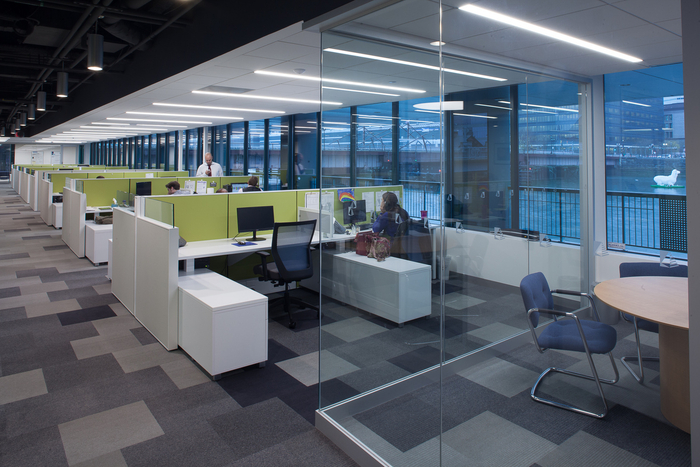
120 degree workstation arrangements allow for both sufficient individual privacy and team wise definition of space in an open office environment. Such designs are increasingly being used by companies to allow employees to interact with each other creating a warm environment eventually improving the overall productivity. office space 3

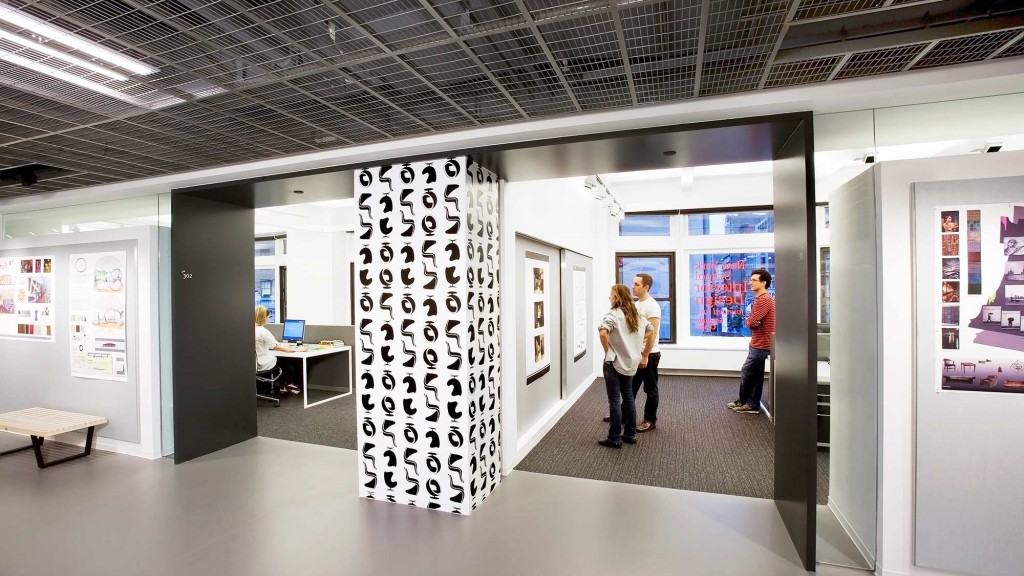
4. Dull colours are the things of the past

Many may not know but colours also play an important role while designing an office space.Vibrant and trendy colours add a fun element to the the office spaces. office space 4

5. A welcome break from the work

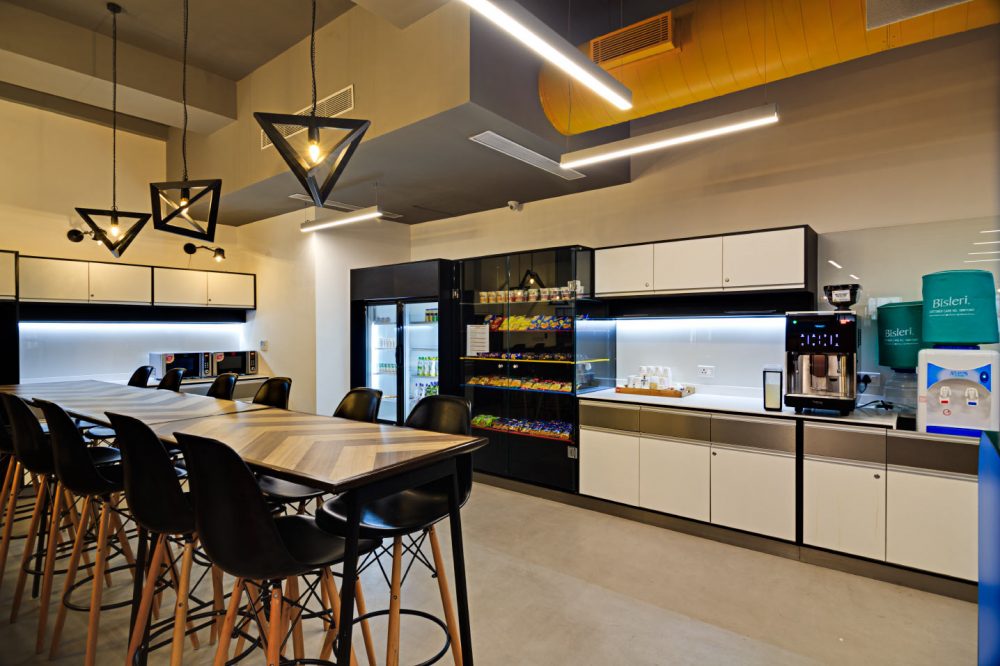
Aesthetically designed food and beverage corner with a high bar counter type seating, visi-cooler and tea-coffee dispensar provides for a great place for chit-chat and a welcome break from the work. office space 5

6. Open seating creates a congenial work atmosphere

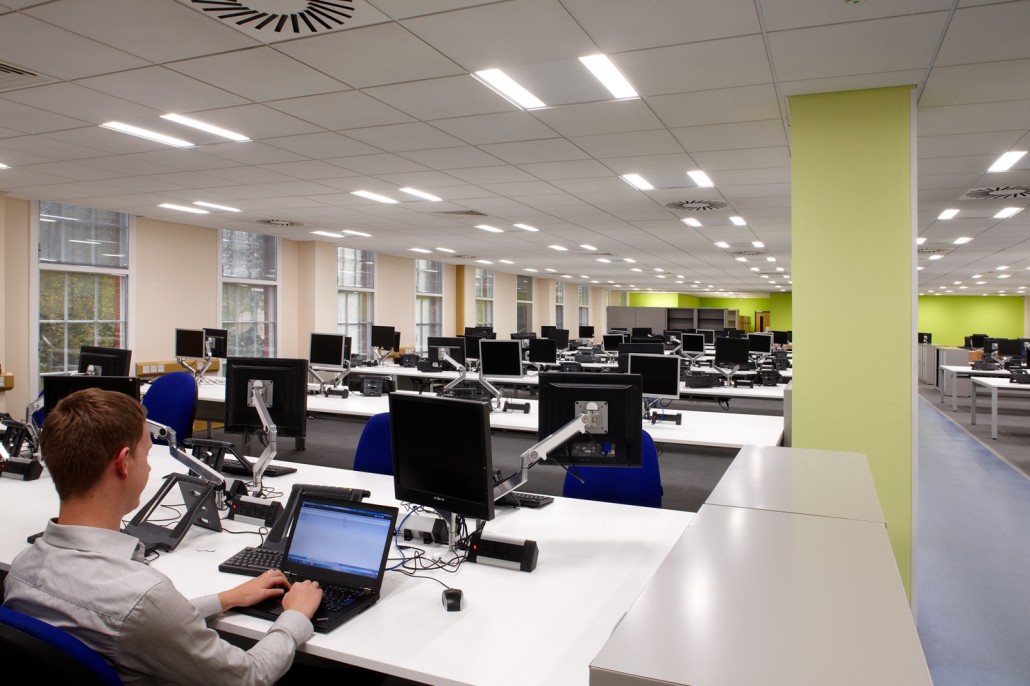
Taking open office seating to the next level by removing all screens and partitions to encourage interaction and collaboration.The accent colours on walls and columns with well placed graphics and greenery create a congenial work atmosphere. office

7. New age video conferencing space

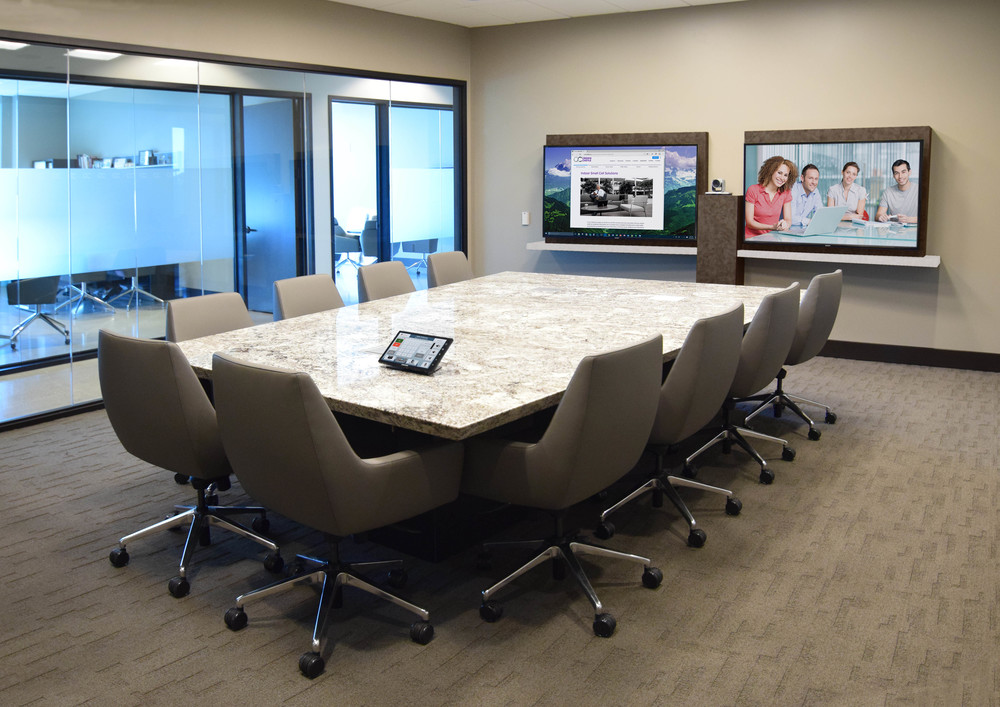
Clean white lines define a new age video conferencing / entertainment space with a combination of sofa seating in front and high standing counter/ bar seating to accommodate more participants. office

8. Open desking replacing individual workstations

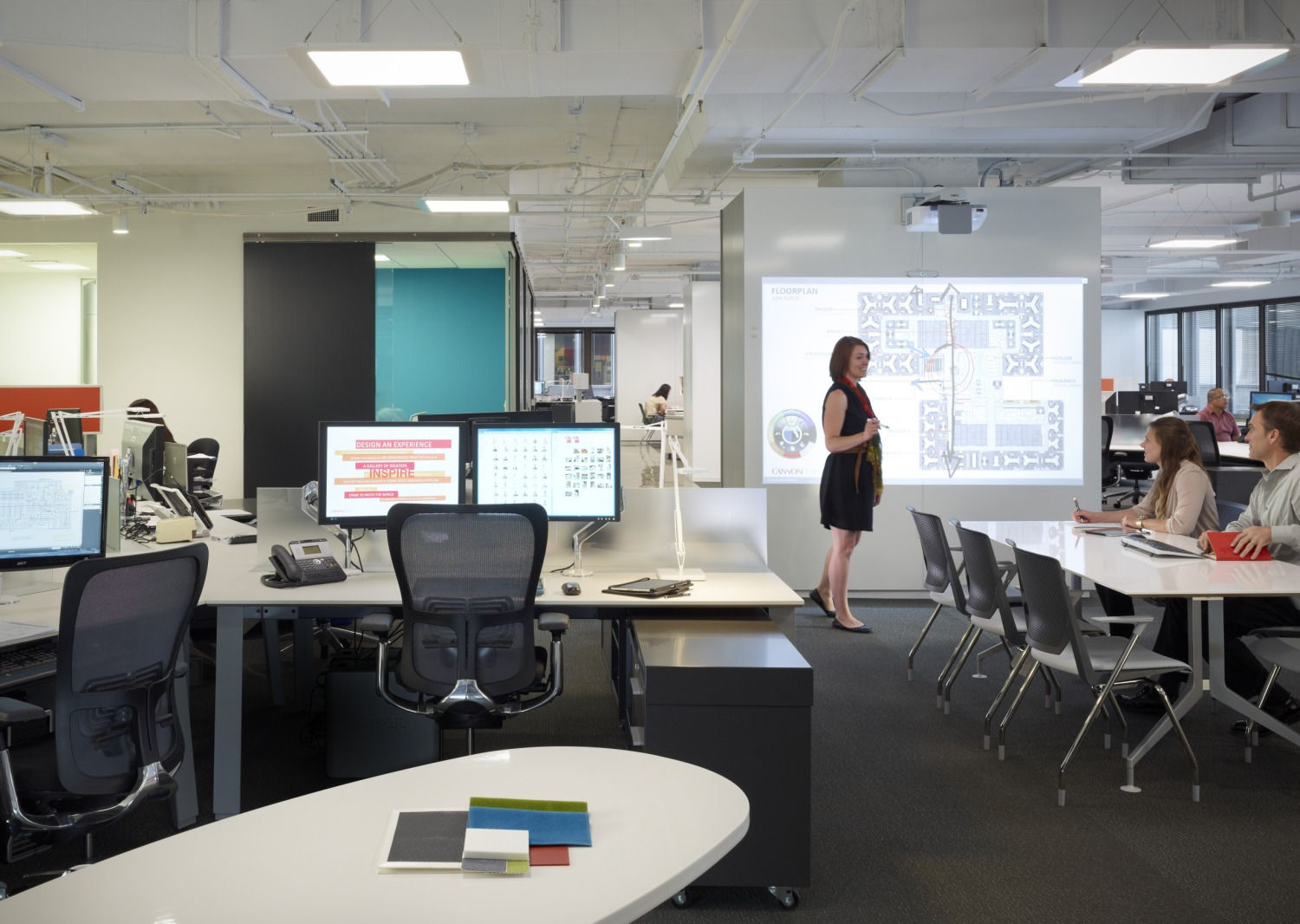
Open desking without fixed user assigned seats or hot desking are replacing individual workstations as a new trend that is being embraced even by traditional offices.Companies are even encouraging employees at top managerial level to go for such open spaces to interact more with their team. open desk

9. Island cabins are the new norms

The island cabins and meeting rooms are the new norm pushing the open work desks toward the external periphery for a better daylight penetration and hence a naturally brighter working environment.Accent colours based on a theme or derived from corporate colours add a distinct character to these enclosed yet visually open spaces NA_151111-462-700x467source : https://goo.gl/fW5ikz

Monday, 23 January 2017

Bengaluru and Delhi NCR dominate office leasing market with 47% share


Increased demand is mainly driven by corporates hailing from IT/ITeS, engineering and manufacturing

Despite the note ban, India’s office market witnessed an all time high annual absorption of over 43 million sq ft in 2016, registering a growth of 9% on a year-on-year basis. Supply addition during the year touched 35 million sq ft with India’s office stock reaching a milestone of over 0.5 billion sq ft (as of quarter 4, 2016) higher than several east Asian economies, says CBRE’s latest India Office MarketView Report – Quarter 4, 2016 which elaborates on the office absorption across seven cities in India.

Leasing during the quarter was mainly led by Bengaluru and Delhi NCR, accounting for more than 50% of the total traction, followed by Pune and Mumbai. Quarterly leasing almost doubled with Gurgaon continuing to lead leasing activity in the NCR, constituting a share of 61%.

Rents across micro-markets remained stable with the exception of DLF Cyber City and leasing activity occurred mostly in the form of small-medium sized transactions (10,000 – 50,000 sq ft), says the report.

Pre-leasing activity rose on a quarterly basis, with more instances reported in Gurgaon, Bengaluru and Hyderabad. Similar to the previous quarter, pre-let activity was driven mainly by IT/ITeS and BFSI (banking, financial services, and insurance) occupiers booking space in properties scheduled for completion in the coming quarters. Owing to lack of quality office spaces with larger floor plates in completed developments, several under-construction projects (particularly in peripheral micromarkets) attracted an increased number of enquiries. Furthermore, there were few pre-leases also reported in other cities, including Mumbai, Noida and Kolkata. Throughout 2016, more than 10 million sq ft of pre-leasing activity was by about 78% on a quarter-to quarter basis.

In Mumbai, transaction activity was largely stable, as compared to the previous quarter. Leasing activity in peripheral markets of Vikhroli, Goregaon, Malad and Airoli accounted for almost 60% of office take up in the city.

Rental values continued to inch upwards in the Central Business Districts (CBDs) of most leading cities with the exception of Delhi NCR, Mumbai and Kolkata. Gurgaon continued to dominate the office leasing in Delhi NCR, with increased demand mainly driven by corporates hailing from IT/ ITeS, engineering and manufacturing and BFSI sectors. Leasing activity occurred mostly in the form of small-medium sized transactions (10,000– 50,000 sq ft).

On the supply front, the city witnessed the completion of a prominent SEZ block on Sohna Road along with a small commercial development on South City Road. Rental values remained largely stable across all micro-markets, with the exception of DLF Cyber City, which witnessed a growth of about 1-3% quarter-on-quarter, the report says.
The Central Business District (CBD) of Connaught Place witnessed a growth in leasing activity during the quarter, mainly occurring in developments, such as Gopaldas Bhawan and other major office spaces.

Deals in the micro-market were largely in the range of 5,000 - 20,000 sq ft. with space take-up from corporates belonging to sectors such as BFSI and pharmaceuticals. Negligible supply addition coupled with sustained occupier interest led to a marginal dip in vacancy levels. Rental values remained stable on a quarterly basis, it says.

Commenting on the findings of the report, Anshuman Magazine, chairman –India & South East Asia, CBRE says, “The commercial real estate market in India has been performing well for the past two years. This is evident in the record absorption levels witnessed in 2016. India continues to show positive movement, despite global uncertainties. Policy initiatives undertaken by the government in the recent past is expected to bring transparency into the sector, which is a much needed step towards enhancing consumer and investor confidence.”

“Commercial activity and occupier demand is expected to remain steady in the coming months, backed by corporates looking to expand/consolidate operations. Regulatory clearances in key locations are also likely to boost leasing activity in the coming quarters. Occupier enquiries for medium to large sized office spaces are expected to be closed in forthcoming quarters, adding to the transaction momentum. Due to the limited availability of ready to move in Grade A supply, occupiers with medium and large size requirements will focus on pre-commitments in under construction/built-to suit developments across key micro-markets in the leading cities in the country. Occupiers, while expanding their footprint, are likely to keep a strong check on city infrastructure and focus on space utilization ratios and innovation in workplace strategies,” says Ram Chandnani, managing director – Advisory & Transaction Services, CBRE South Asia Pvt Ltd.

On the supply front, a significant quantum of space is expected to be released in the decentralised locations of leading cities over the next few quarters. Most of this supply is concentrated in peripheral locations of leading cities, which is likely to attract enhanced enquiries and strong pre-commitment activity in the coming months. The government’s policy initiatives (RERA and REIT), coupled with the impact of the recent demonetisation drive is likely to result in the formalisation and regulation of the sector. This in turn, is expected to boost transparency and investment flows into the commercial real estate sector, going forward.

Meanwhile, an analysis by Research & Real Estate Intelligence Service, JLL India says that the NCR alone contributes about 41% to total pan-India vacant stock of 72 million square feet, followed by Mumbai contributing about 28% while Bengaluru, the second biggest office market in size after Mumbai, contributes just 4.2% to pan-India vacant stock. The analysis also says low vacancy levels in many Indian cities and the rising demand for high-quality Grade A space is likely drive up average rents, but at varying degrees for different sub-markets.

Source: https://goo.gl/dcorYh

Monday, 15 February 2016

Commercial Real Estate – Guidelines For Retail Investors

Buying an office or retail space is a huge investment, which is why commercial real estate has been traditionally seen as an asset class that only institutional investors or heavyweight HNIs could invest in. That, however, is changing. Many retail investors are now getting into the office real estate game.

For a perspective of the opportunities in Indian commercial real estate, consider this - Manhattan in New York City has 450 million square feet of Grade A stock, while London has 200 million square feet. In comparison, India’s collective office space stock accounts for only 375 million square feet. This showcases the long-term potential for office space at all levels in India.

Very few of the world’s commercial real estate markets have undergone such a dramatic and rapid change in such a short span of time as India’s has. The next few years will see a quantum spurt in the services and knowledge sector, opening up tremendous opportunities for the retail investor.

Investment Routes:

There are three ways to invest in commercial real estate - directly buy office space from a developer, buy shares of a commercial developer from the stock market, or invest in a real estate fund focused on commercial real estate. As the quantum of investment is usually huge, the prospective buyer needs to take more informed decisions.

Another option, which is investing in Real Estate Investment Trusts, is expected to be opened up shortly by the government. REITs are pooled investment entities where the corpus is invested primarily in completed, income yielding real estate assets and distribute a major part of the revenue/income generated among their investors.

Many developers, especially in cities such as Mumbai, are today offering smaller units of space (as small as 500-1000 square feet) in Grade A buildings. This is in sharp contrast to the scenario a few years back, where only much larger units were available - making it tough for a small investor to invest in office real estate. Investors considering retail space can now consider a multitude of affordable options in free-standing high street outlets or shops in malls.

The advantages of smaller units are two-fold:
  • It is  easier to find tenants for them.
  • The premises can also be used for business by their owners if they happen to be of an entrepreneurial bent of mind.
Today, even professionals like doctors, auditors, stock brokers and lawyers are buying commercial properties for investment and self-use. Of course, HNIs also continue to plug huge amounts of money into high-ticket commercial properties in the quest for yield.

Private bankers and wealth management firms confirm that their clients have actively started investing in commercial properties after staying away in 2009 and 2010. These investors have bought into commercial properties because they seek assets that can protect their portfolios from inflation and stock market volatility. On their side, banks are willing to lend up to 50-60% of the LTV to buy commercial properties, subject to the borrower’s adequate net worth and established ability to repay.

What to look for?:

Despite the availability of more rationally priced options, investing in commercial real estate is most definitely not child’s play. It requires forethought, research and planning:
  • Investors need to establish the soundness of the location and its demand/supply dynamics. If they do not engage in sufficient research, they may end up buying into micro markets which have or will have high vacancies.
  • They need to ensure that the economy, job market and population growth in the market is healthy.
  • They need to check the developer credentials, potential for infrastructure development, access to public transport and quality of property management in the project.
  • They need a knowledgeable real estate agent and a lawyer who can give them sound advice.
  • If they are investing in a retail store, they need to consider the frontage, foot-fall and the dynamics of the adjoining catchment.
  • Entrepreneurs who wish to buy commercial real estate for self use should ensure that the amenities in the project that match their business needs.
If an investor is looking at an income producing office asset, he should look at:
  • The break-up of cash flows.
  • The vacancy factor.
  • Expenses such as maintenance, property tax and building insurance.
  • Lease term, lock-in period and expiry dates.
  • Long term capital appreciation potential.
  • Refurbishment, refinancing and re-positioning potential.
Why Invest?:

The rental yield for commercial property is usually 9-11%. In contrast, the yield for residential property is much lower at 2-3.5%. The demand for office space in India is likely to stand at around 200 million square feet over the next five years. Post the GFC, the prices across most markets dropped around 35-40% and have bottomed out in most markets, offering investors a good opportunity to buy into commercial real estate.

India’s macroeconomic growth story makes for a rather compelling reason to get one’s own paragraph into it somewhere. Chosen prudently, and office real estate can let you do that in indelible ink. Last year, the demand for office space across India was 26 million square feet and this year is expected to see demand of 28 million square feet. The possibility of diversifying one’s portfolio, the sheer pride of ownership and the benefits of the longer leases that typify commercial tenants are other reasons to look at commercial real estate investing.

Remember, you do not only make a profit on the sale of appreciated commercial property - the rental cash flows of a well-located office or shop space are considerable. Unlike in residential property, the income that can be generated from commercial property is what determines its value. In other words, the capitalization rate is actually the measure of the demand for the property. For those who do their homework well, investing in commercial property is a high-adrenaline and high-returns game that residential real estate investment cannot hold a candle to.

Source: PropertyatNeoDevelopers.Wordpress.Com

Wednesday, 12 August 2015

City suburbs outshine CBDs, account for 47% of the office stock in H1

City suburbs and peripheral areas have become the favoured location for companies to set up offices, with its share in the total office stock rising from 28% in 2004 to 47% in the first half of 2015, reports property consultancy JLL India.

Cheaper rents and lesser commute times for workforce are the major reason for such migration. Average rental values at peripheral business district (PBD) locations in the country were about 45-60% cheaper than CBD rentals, according to the report.

The availability of large contiguous land parcels and a high quality supply of buildings have been the other major factors that shaped this trend.

"IT/ITES companies, which were largely location-independent due to their offshore-onsite business model, are the trend-setters in this respect," said Anuj Puri, Chairman and Country Head at JLL India.

Central business district (CBD), on the other hand, has witnessed a severe attrition of occupiers and a decline in fresh supply of office space, with its share dropping from about 33% in 2004 to 10% in by June this year.

Secondary business districts (SBDs) in office stock has remained stable over the last several years at around 43% of the total office stock.

Gurgaon and Noida comprised over 80% of the lease volumes in 2015 - amongst the highest proportion of lease volumes registered by peripheral destinations in any city.

Mumbai has been an exception to the trend of office migration to PBD due to lack of supporting infrastructure and connectivity. However, the city witnessed a steady shift in office stock from prime CBD areas like Nariman Point to SBD precincts such as Lower Parel and Andheri-Kurla road. "An exodus of offices out of CBD was sparked by lack of quality office stock and the complicated ownership structure," Puri said.

Among other major cities, Bangalore and Hyderabad have witnessed a significant shift in office stock to PBD mainly due to dominance of IT/ITeS sectors. Pune and Chennai have witnessed greater interest in the SBD locations, which provide affordable alternatives for large occupiers looking for Grade-A properties. Kolkata has seen a rising interest in PBD precincts such as Rajarhat, which has witnessed a significant rise in office stock, driven primarily by the IT/ITES sector.

Thursday, 9 July 2015

The office is the new social network

It's not just the idea that has to be innovative, the space in which it's built has to be too. Startups are slowly disrupting traditional office spaces, doing away with swivel chairs and glass partitions and settling for wooden benches and whiteboard tabletops.

The street leading to the Housing.com office is like any other in south Delhi's grungy yet upscale neighbourhood of Hauz Khas. Cramped alleys cut through pockets of designer stores, where men huddle together discussing Arvind Kejriwal's monthly electricity bills, slender women in kitsch clothing window shop, and very fat yet hungry stray dogs keep an eye on it all.

Located strategically between graffiti-spattered walls and an ancient lake, the building housing the office looks ordinary enough. But push open the door on the fourth floor and Housing.com's new direction becomes clear. A chic wooden deck with cosy seating spaces leads into a concealed work space with exposed overhead pipes and designer chairs. From every angle in the office, the lake is visible, sometimes just as a reflection on the glass walls. "Startups are changing the way people work in India. We don't call these new offices work spaces, we call them living spaces," says Suvonil Chatterjee, chief design officer, Housing.com.

Research by Carnegie Mellon reveals that buildings can impact overall performance and productivity. "It all started with the Google offices. Google builds highly aspirational work spaces that help attract and retain talent. The average age of talent in India is not only coming down, it's shrinking as well. Great work spaces can be key differentiators. You need to approach work space design differently now. A furniture or seating oriented app roach doesn't work. A people-centric approach does," says Abhigyan Neogi, founder of Chromed Design Studio, the agency which designed and built the 3,000 sqft studio. Neogi, has recently designed work spaces for several startups, including that of Paytm and Uber. Currently, he is overhauling Housing.com's 1-lakh sqft Mumbai office.

Beanbags on the floor and swings on the verandah are passe. At the office of fashion brand Myntra on Hosur Road in Bengaluru, you could be forgiven for thinking you walked out of the lift and onto a high street. Faux storefronts with mannequins, racks of clothes, a cafe (dispensing real coffee), an ever blue sky with clouds and even wooden benches line the reception and route to the conference rooms that are named after famous designers.

"We wanted to do away with old hierarchies to make people more approachable," says Sreenivas Reddy, who insists on being called the VP and head of real estate and workplace at online fashion marketplace Myntra rather than an 'admin'.

The relaxed approach to the space extends to HR policy and office culture as well. At mobile advertising network InMobi, staff no longer need to swipe in and out. "Our work culture is one of freedom and collaboration," says Rebecca D'Leema, head of commerce advertising at InMobi. The company hired DWP, an architecture and design agency that designed a Google office, to revamp its headquarters in Bengaluru. Staff were involved in the designing of the office and were asked to paint the walls with graffiti. Along with upping motivation, the design revamp has enabled InMobi to increase productivity by around 80%, D'Leema says.

Similarly, Gurgaon-based restaurant search startup Zomato is betting big on its sprightly work space design to pay dividends when it comes to employee satisfaction. "We understand talent is not motivated by monetary incentives alone but also requires a thriving work space," says a Zomato spokesperson. The company's office boasts of spacious and flexible work spaces interrupted by bright red English telephone booths. The guru of innovative work spaces, Google, which has offices in locations as diverse as a garage in Menlo Park and a farmhouse in Denmark, is taking the concept to the next level. Instead of constructing immovable concrete buildings, it is creating lightweight block-like structures that can be moved around easily.

"Large translucent canopies will cover each site, controlling climate inside yet letting in light and air. With trees, landscaping, cafes and bike paths weaving through these structures, we aim to blur the distinction between our buildings and nature," the company wrote on its blog earlier this year.

So, are new-age work spaces representative of the startup work culture? Definitely, says Myntra's Reddy. "Unassigned work spaces not only increase utilization but also bring down the cost of real estate," he says.

Ranjeet Ramakrishnan, founder of design agency Okdone, who worked with Reddy for eight months to create Myntra's office, has now turned his attention to Flipkart's premises. "Informal work culture, collaborative workplaces, teamwork and open spaces this is the future," Reddy says. "It's time we loosen up a little."

Monday, 19 January 2015

Real estate v/s stocks, gold: Which is right for you?

With many options of investment available in the market, real estate buyers and investors would like to know which is better - real estate or stocks or mutual funds or investing in the yellow metal. Which would you prefer for your financial portfolio? What should you keep in mind before investing?

Each type of investment has its pros and cons. There are several aspects of each that make them unique investments in their own way. To advise and guide you on the same, a live chat session was organised with Kalyan Chakrabarti, managing director, Red Fort Capital. The topic of the session was ‘Real estate V/s other investment options, in today’s market’.

How should one make a real estate portfolio? Chakrabarti said, “Ideally, at the basic level you should start with the home market i.e. a self owned house. As you increase your savings and are keen to build a portfolio, the key factors to keep in mind are whether you are chasing regular yield from your investment or are you keeping the real estate as a store of value.”

In case you are expecting regular yield, investing in a commercial/office/retail asset would be useful. If you wish to use it as a store of value, then it boils down to your opinion. If you have a long term plan, buying a piece of land is worth considering; for a shorter term you can go for a relatively smaller apartment unit,” added Chakrabarti.

How much should one invest in real estate? As per Chakrabarti, “This depends on what is your age, your stage of life and the nature and predictability of your cash flows. In any event, I would suggest a limit of 25-35 per cent should be self imposed. This is excluding your primary house.”

Real Estate V/s Gold:
Whether real estate will deliver good returns or gold depends on your risk appetite and the investment horizon. “For long term holding a well chosen property would be ideal. However, for short term holding or to have the advantage of liquidating your asset at short notice, gold is better,” advised Chakrabarti.

Adding to this, he cautioned that unlike gold, where quality and valuation standards are known and reasonably transparent, real estate requires you to spend time and energy understanding the market and trying to ascertain a value which looks reasonable. “As the investment you have in mind gets lower it makes sense to shift towards gold,” further added Chakrabarti.

Real estate V/s stocks and mutual funds:
Stocks and mutual funds are considered more volatile over real estate. While explaining the realty index on the stock exchange against real estate returns, Chakrabarti explained, “Realty Index is representative of how the overall listed developer community is doing in terms of share holder value creation. A large majority of developers are unlisted, while the listed developers in comparison are a miniscule minority”.

Chakrabarti said, “In my opinion, physical real estate/asset gives better returns over stocks”. Mutual funds have an advantage as they have the ability to liquidate which real estate does not have. But for those who have not yet invested or don’t have a first home yet, it is always good to go ahead and invest in one.

With this it was evident that every investment comes with an element of risk. You reduce the risk by being diligent while choosing your investment and keeping a diversified portfolio.